


Essential Items for Your Mobile Workshop and Service Van
- написал: NormanWimber
- 0
- 0
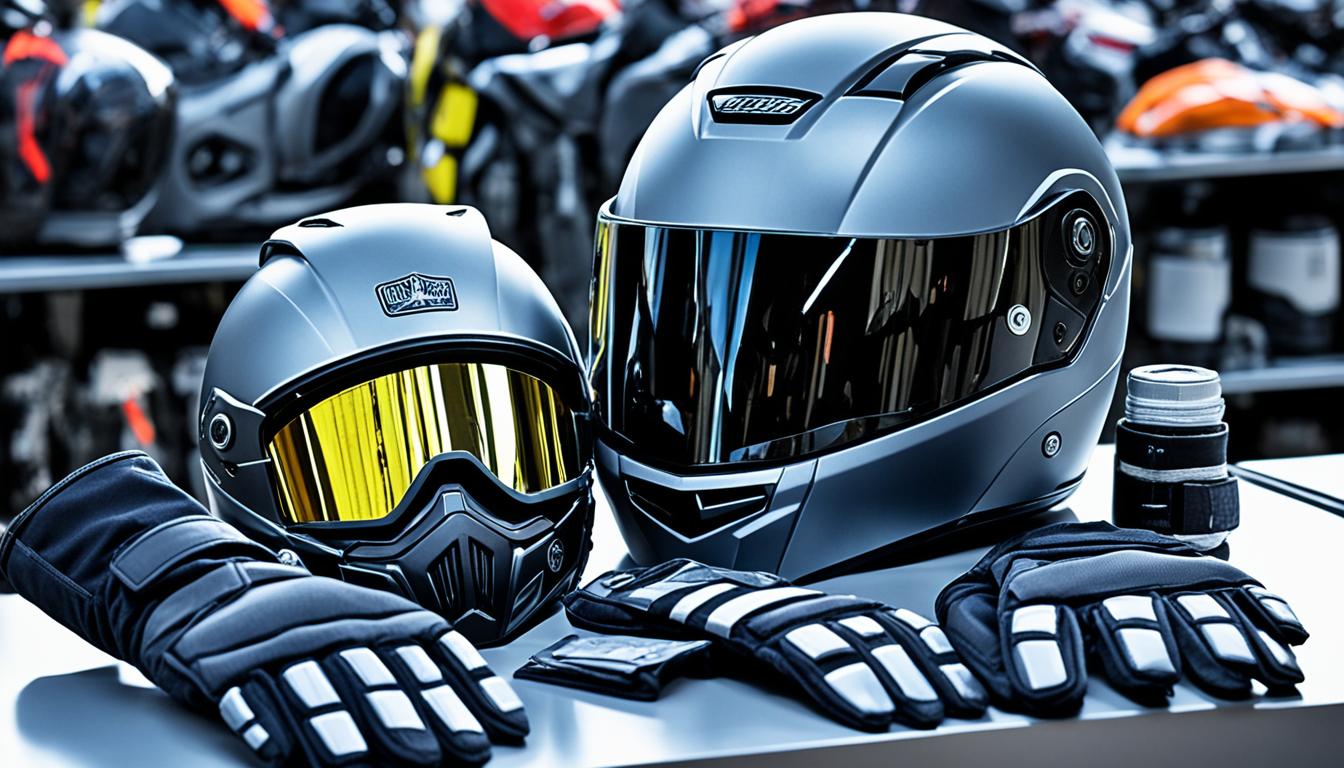
Every motorsport enthusiast knows that preparation is key to success on the track. With the right tools and equipment, you can not only enhance your vehicle's performance but also ensure safety during competitive events. Statistics show that nearly 70% of amateur racers and professional teams face challenges related to the availability of high-quality racing gear and tools. This article aims to spotlight essential items that should be in your mobile workshop and service van to make your racing experience both smooth and safe. Equipping your service van with the correct tools and safety gear can transform the way you approach your motorsport activities. Whether you are a hobbyist prepping for a local race or a professional team gearing up for a championship, having the right equipment at your fingertips is vital. Here, we will explore the must-have items that can elevate your racing game. https://365.expresso.blog/question/how-to-choose-the-perfect-steering-wheel-for-your-driving-style-7/ What Tools are Essential for a Mobile Workshop? When it comes to assembling a mobile workshop, having the right tools is paramount. A well-equipped van can save you valuable time during race weekends and ensure that you can address any issues that arise on the fly. Start with the basics: a well-organized toolbox, complete with sockets, wrenches, pliers, and screwdrivers. These tools will cover most mechanical repairs and adjustments you may need to make. 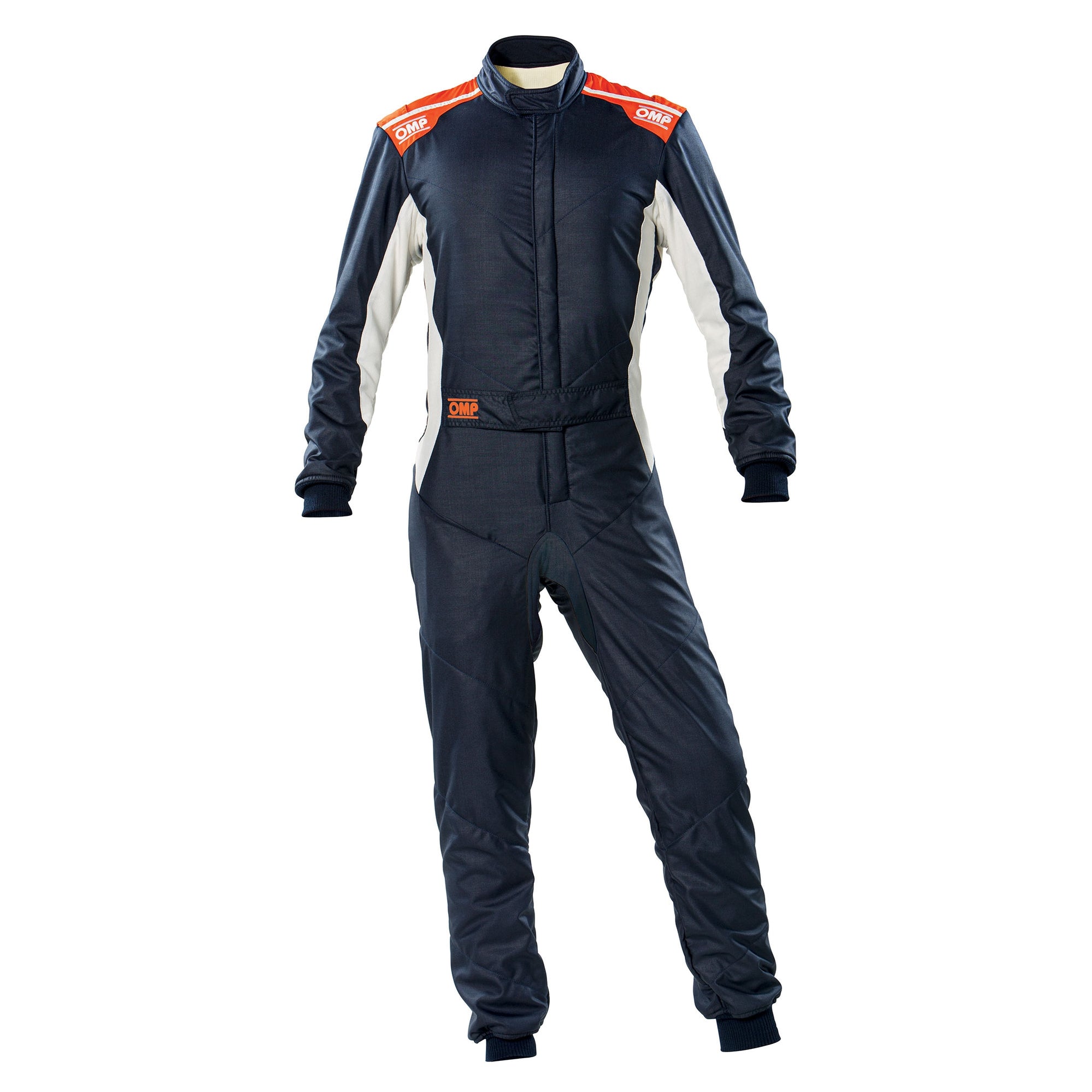 Additionally, specialized tools such as torque wrenches, pullers, and alignment tools will significantly enhance the precision of your work. Consider investing in a high-quality jack and jack stands to ensure safety when working underneath vehicles. A portable workbench can also provide a secure place for more extensive repairs and modifications. While tools are indispensable, remember to include spare parts such as belts, hoses, and bolts in your inventory. These components can often lead to significant delays if they fail during a race. Must-Have Racing Safety Gear Safety is non-negotiable in motorsport. Among the first items on your list should be racing harnesses and seat belts. A good harness not only keeps you secure but also enhances your control of the vehicle. Look for FIA-compliant options that offer a 5-point harness system for maximum safety. Don't overlook the importance of racing helmets and visors. Helmets should fit snugly and provide comprehensive protection against impacts. Additionally, consider a helmet with an integrated communication system for improved coordination with your pit crew during races. Choosing the right visor can also enhance visibility in various weather conditions.
 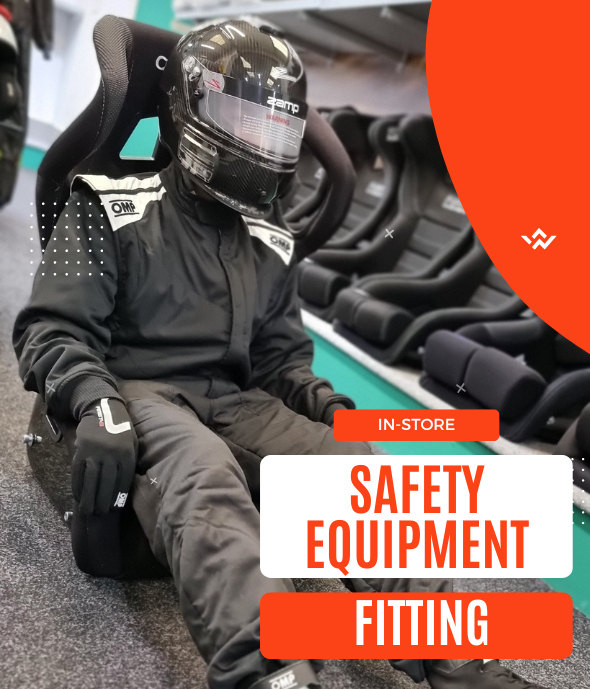 Choosing the Right Footwear and Gloves Racing is not just about the vehicle; it's also about the driver. Proper footwear is crucial, as it affects your control over the pedals. Opt for motorsport boots designed for ergonomics and grip, ensuring you can react swiftly without compromising safety. Look for boots that are fire-resistant and provide adequate ankle support. rally car parts Similarly, racing gloves play a vital role in ensuring a solid grip on the steering wheel. Choose gloves made from breathable materials to keep your hands comfortable, even during long races. They should also allow for excellent tactile feedback, which is essential for precise steering and control. Importance of Roll Cages and Padding One of the most critical safety features of any racing vehicle is the roll cage. This structural component is designed to protect drivers in the event of a rollover. When selecting a roll cage, ensure that it meets FIA regulations and is fitted correctly to your vehicle for maximum protection. Additionally, consider adding padding to the interior of the roll cage to minimize impact during sudden stops or collisions. Further, the placement of padding throughout your workshop and service van can help prevent injuries during transport. Investing in high-quality padding for your equipment and tools can be a game-changer, especially when navigating rough terrain or tight corners on the way to a race.
 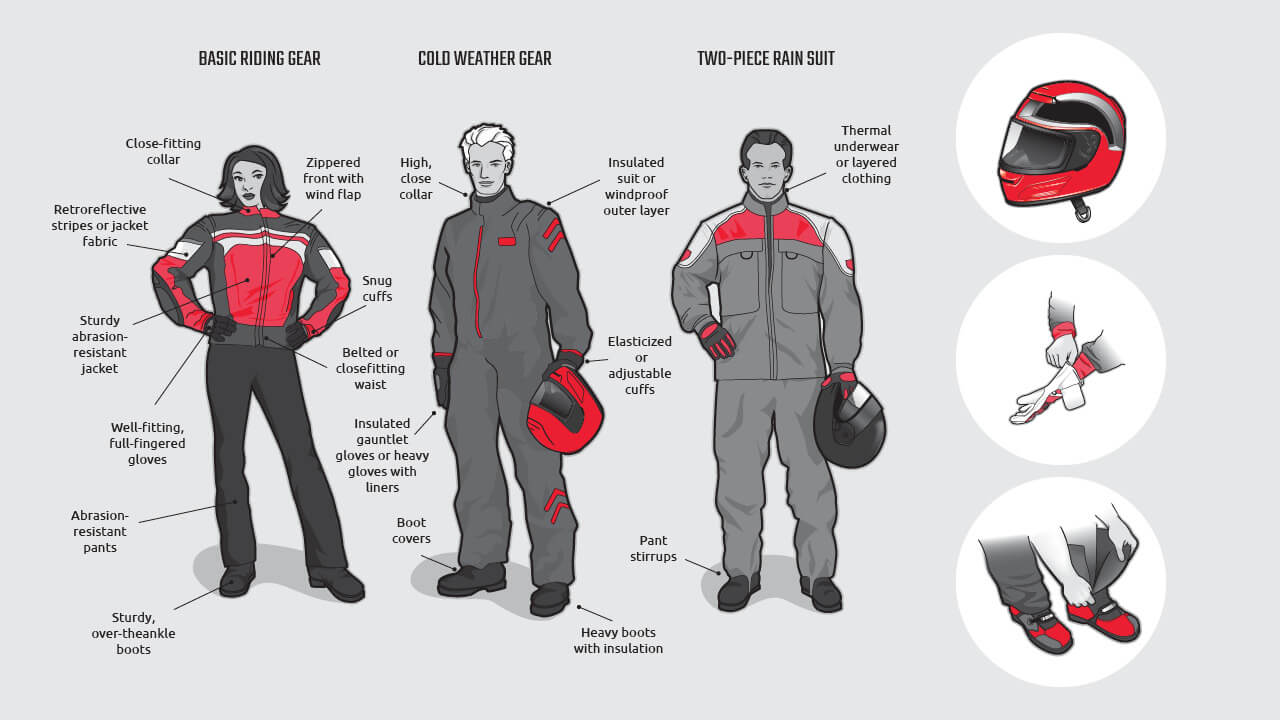 The Right Seats and Mounts for Enhanced Control Your connection to the vehicle is paramount, and this is where racing seats and mounts come into play. A well-designed racing seat not only provides comfort but also enhances your ability to control the car during high-speed maneuvers. Look for FIA-approved seats that offer adjustable positions and adequate support for your racing style. The mounts should be robust and compatible with your car's chassis. Improper mounts can lead to instability, affecting your performance on the track. Ensure that your seats are securely installed to prevent any movement during races. Essential Maintenance Equipment for Your Van In addition to safety and performance gear, having effective maintenance equipment is crucial. A portable air compressor, for instance, is invaluable for tire management, ensuring that your tires are always at the optimal pressure. Similarly, a high-quality oil extractor can make oil changes quicker and cleaner, allowing you to spend more time racing and less time on maintenance. http://new.jesusaction.org/bbs/board.php?bo_table=free&wr_id=3893255
  Consider the layout of your van; tools and frequently used items should be easily reachable. A well-planned mobile workshop reduces the chaotic atmosphere often associated with race day preparations. Making Your Workshop Mobile: The Right Setup Setting up your mobile workshop requires careful planning. Begin with a solid foundation; ensure your van has adequate space and structural integrity to accommodate all your needs. It's essential to balance weight distribution to avoid compromising the vehicle's handling. When choosing the van itself, consider its size and capacity. A larger van provides more room for tools and equipment, but it may also be less maneuverable. Conversely, a smaller van is easier to handle but may limit your storage options. Find the right balance that suits both your racing style and logistical needs. Incorporating these essential elements into your mobile workshop and service van can significantly boost your racing readiness. From safety gear to maintenance tools, having everything you need within reach can drastically affect your performance and safety. Conclusion: The Right Gear for Racing Success Preparing for a race requires more than just a fast car; it demands a strategic approach to equipping your mobile workshop and service van. By ensuring you have the right tools, safety gear, and organizational systems in place, you can elevate your racing experience and enhance your performance. This investment in quality equipment not only prepares you for the track but also instills confidence in your racing capabilities. Frequently Asked Questions What tools should I prioritize for my mobile workshop? Focus on fundamental tools like wrenches, screwdrivers, and a torque wrench. Additionally, invest in specialized tools relevant to your vehicle's needs. How can I ensure my safety gear meets FIA standards? Always check for the FIA certification label on all safety gear, including helmets and harnesses, to ensure compliance with regulations. What type of racing seat is best for my needs? Choose a racing seat that offers the right fit and support for your body type and driving style, preferably one that is FIA-approved for safety. How do I organize tools effectively in my van? Use storage bins and racks, label compartments, and keep frequently used tools within easy reach to enhance efficiency during race prep. Is a mobile workshop really necessary for amateur racers? Yes, having a mobile workshop can significantly improve your preparedness for races, allowing you to handle repairs and maintenance quickly and efficiently.
Additionally, specialized tools such as torque wrenches, pullers, and alignment tools will significantly enhance the precision of your work. Consider investing in a high-quality jack and jack stands to ensure safety when working underneath vehicles. A portable workbench can also provide a secure place for more extensive repairs and modifications. While tools are indispensable, remember to include spare parts such as belts, hoses, and bolts in your inventory. These components can often lead to significant delays if they fail during a race. Must-Have Racing Safety Gear Safety is non-negotiable in motorsport. Among the first items on your list should be racing harnesses and seat belts. A good harness not only keeps you secure but also enhances your control of the vehicle. Look for FIA-compliant options that offer a 5-point harness system for maximum safety. Don't overlook the importance of racing helmets and visors. Helmets should fit snugly and provide comprehensive protection against impacts. Additionally, consider a helmet with an integrated communication system for improved coordination with your pit crew during races. Choosing the right visor can also enhance visibility in various weather conditions. Choosing the Right Footwear and Gloves Racing is not just about the vehicle; it's also about the driver. Proper footwear is crucial, as it affects your control over the pedals. Opt for motorsport boots designed for ergonomics and grip, ensuring you can react swiftly without compromising safety. Look for boots that are fire-resistant and provide adequate ankle support. rally car parts Similarly, racing gloves play a vital role in ensuring a solid grip on the steering wheel. Choose gloves made from breathable materials to keep your hands comfortable, even during long races. They should also allow for excellent tactile feedback, which is essential for precise steering and control. Importance of Roll Cages and Padding One of the most critical safety features of any racing vehicle is the roll cage. This structural component is designed to protect drivers in the event of a rollover. When selecting a roll cage, ensure that it meets FIA regulations and is fitted correctly to your vehicle for maximum protection. Additionally, consider adding padding to the interior of the roll cage to minimize impact during sudden stops or collisions. Further, the placement of padding throughout your workshop and service van can help prevent injuries during transport. Investing in high-quality padding for your equipment and tools can be a game-changer, especially when navigating rough terrain or tight corners on the way to a race. The Right Seats and Mounts for Enhanced Control Your connection to the vehicle is paramount, and this is where racing seats and mounts come into play. A well-designed racing seat not only provides comfort but also enhances your ability to control the car during high-speed maneuvers. Look for FIA-approved seats that offer adjustable positions and adequate support for your racing style. The mounts should be robust and compatible with your car's chassis. Improper mounts can lead to instability, affecting your performance on the track. Ensure that your seats are securely installed to prevent any movement during races. Essential Maintenance Equipment for Your Van In addition to safety and performance gear, having effective maintenance equipment is crucial. A portable air compressor, for instance, is invaluable for tire management, ensuring that your tires are always at the optimal pressure. Similarly, a high-quality oil extractor can make oil changes quicker and cleaner, allowing you to spend more time racing and less time on maintenance. http://new.jesusaction.org/bbs/board.php?bo_table=free&wr_id=3893255 - Incorporate a battery charger and jump starter into your toolkit to handle unexpected battery failures. Keeping your battery in good condition is crucial, as a dead battery can sideline your vehicle at any moment.
Consider the layout of your van; tools and frequently used items should be easily reachable. A well-planned mobile workshop reduces the chaotic atmosphere often associated with race day preparations. Making Your Workshop Mobile: The Right Setup Setting up your mobile workshop requires careful planning. Begin with a solid foundation; ensure your van has adequate space and structural integrity to accommodate all your needs. It's essential to balance weight distribution to avoid compromising the vehicle's handling. When choosing the van itself, consider its size and capacity. A larger van provides more room for tools and equipment, but it may also be less maneuverable. Conversely, a smaller van is easier to handle but may limit your storage options. Find the right balance that suits both your racing style and logistical needs. Incorporating these essential elements into your mobile workshop and service van can significantly boost your racing readiness. From safety gear to maintenance tools, having everything you need within reach can drastically affect your performance and safety. Conclusion: The Right Gear for Racing Success Preparing for a race requires more than just a fast car; it demands a strategic approach to equipping your mobile workshop and service van. By ensuring you have the right tools, safety gear, and organizational systems in place, you can elevate your racing experience and enhance your performance. This investment in quality equipment not only prepares you for the track but also instills confidence in your racing capabilities. Frequently Asked Questions What tools should I prioritize for my mobile workshop? Focus on fundamental tools like wrenches, screwdrivers, and a torque wrench. Additionally, invest in specialized tools relevant to your vehicle's needs. How can I ensure my safety gear meets FIA standards? Always check for the FIA certification label on all safety gear, including helmets and harnesses, to ensure compliance with regulations. What type of racing seat is best for my needs? Choose a racing seat that offers the right fit and support for your body type and driving style, preferably one that is FIA-approved for safety. How do I organize tools effectively in my van? Use storage bins and racks, label compartments, and keep frequently used tools within easy reach to enhance efficiency during race prep. Is a mobile workshop really necessary for amateur racers? Yes, having a mobile workshop can significantly improve your preparedness for races, allowing you to handle repairs and maintenance quickly and efficiently.
 3. Fire Resistance: Many FIA-approved cells feature materials that can endure extreme temperatures, adding an extra layer of safety. Purchasing a non-compliant fuel cell can lead not only to disqualification but also to serious safety concerns.
  Choosing the right design can significantly affect the vehicle's overall dynamics, so consider how each type interacts with your vehicle's characteristics. Cost Considerations: Balancing Quality and Budget While premium fuel cells offer advanced features and safety benefits, they also come at a higher cost. It's important to evaluate your budget against the potential performance gains. When considering costs, factor in: 1. Initial Purchase Price: High-quality cells may require a higher initial investment. 2. Installation Costs: Professional installation can add to the total expense. 3. Long-Term Reliability: Investing in a quality fuel cell can lead to savings in the long run through reduced maintenance and improved race performance. For instance, a high-end FIA-compliant fuel cell may cost 20% more than a standard option but can provide significant benefits in safety and performance, justifying the higher upfront cost.
  Evaluating Fuel Cell Pros and Cons When choosing the right fuel cell, evaluating the pros and cons can help you make a more informed decision. Here's an overview: Pros: Enhanced safety features reduce the risk of fire and spills. Improved performance with lightweight designs. Compliance with regulatory standards increases competitive eligibility. Cons: Higher initial costs compared to non-compliant options. Potential weight increase with larger capacity cells. Dependence on proper maintenance for long-term performance. Being aware of these aspects allows you to weigh your options carefully and select the best fuel cell for your racing needs. Conclusion: Make an Informed Choice for Your Racing Success Selecting the right fuel cell for your competition vehicle requires a thoughtful approach that balances safety, performance, and budgetary considerations. By prioritizing FIA compliance, understanding your race requirements, and evaluating the pros and cons of different designs, you can make a choice that aligns with your goals on the track. Ultimately, the right fuel cell not only enhances your vehicle's performance but also ensures your safety, allowing you to focus on what you love most: racing. Frequently Asked Questions What is the average lifespan of a fuel cell? The lifespan of a fuel cell can vary, but with proper maintenance, they typically last several years. Regular inspections and proper storage can extend their usability significantly. How often should I replace my fuel cell? It's recommended to replace your fuel cell every 5-10 years, depending on usage and condition. Frequent racers should inspect their cells more often for signs of wear. Can I use a fuel cell from a different motorsport discipline? While some fuel cells may be interchangeable, it's best to use one that complies with the regulations of your specific racing discipline to ensure safety and legality. What maintenance is required for my fuel cell? Regular inspections for leaks, cleaning, and ensuring that fuel quality is maintained are essential to preserving your fuel cell's performance and longevity. Are all fuel cells created equal? No, fuel cells vary significantly in design, materials, and compliance features. It's important to choose one that fits your vehicle type and racing requirements. How does temperature affect fuel cell performance? Extreme temperatures can affect fuel cell integrity and performance. It's crucial to use a fuel cell designed for the temperature range expected during competitions.